The Most Famous Florentine Families in History
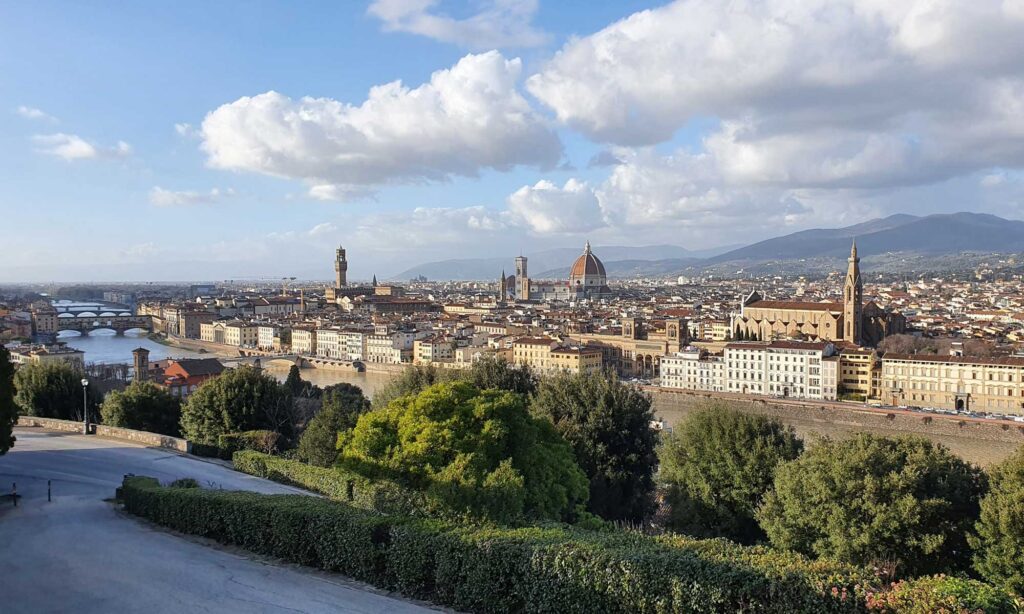
Florence’s transformation from a medieval commune into the cradle of the Renaissance was shaped by powerful families whose fortunes, rivalries, and patronage defined the city’s destiny. This article introduces the most famous Florentine families—the Medici, Strozzi, Pazzi, Rucellai, Albizzi, and Salviati—and explains where their legacy can still be seen today.
Why Florence’s families mattered
Between the 14th and 16th centuries, Florence’s social and political life revolved around a few leading clans. Wealth from banking and trade gave them influence, while their patronage of artists and architects left a visible imprint on the city. Their palaces, chapels, and coats of arms still tell stories of ambition and rivalry.
The Medici: bankers, patrons, and rulers
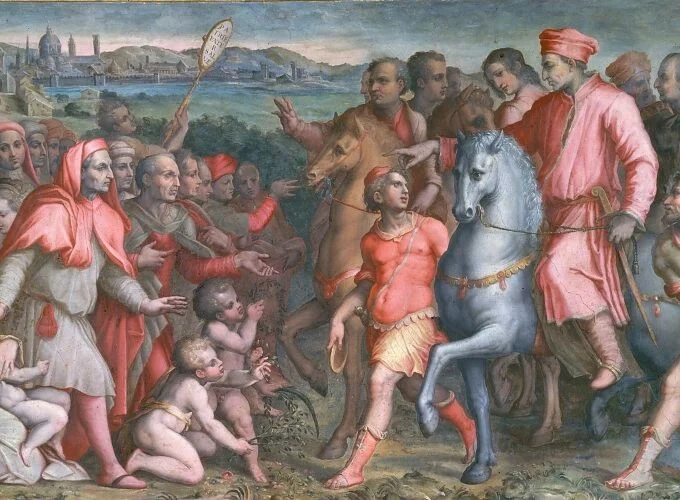
The Medici family rose from the Mugello region to dominate Florentine politics and culture. Cosimo de’ Medici (“the Elder”) consolidated the family’s power through the Medici Bank, while his grandson Lorenzo de’ Medici (“the Magnificent”) became a leading patron of Renaissance art and humanism.
- Banking empire: The Medici Bank financed European monarchs and the papacy.
- Cultural patronage: Artists such as Donatello, Botticelli, and Michelangelo owed their careers to Medici support.
- Political legacy: Two Medici became popes (Leo X and Clement VII); others became Dukes and Grand Dukes of Tuscany.
Where to see their legacy: Palazzo Medici Riccardi, San Lorenzo and the Medici Chapels, Uffizi Gallery collections.
Sources:
Encyclopaedia Britannica;
Palazzo Medici Riccardi Official Site;
Smarthistory: The Medici in Florence.
The Strozzi: proud rivals of the Medici
The Strozzi were one of Florence’s richest banking families before Medici dominance. Filippo Strozzi the Elder financed the monumental Palazzo Strozzi—a declaration of wealth and rivalry. The family’s opposition to the Medici led to exile more than once.
Where to see their legacy: Palazzo Strozzi today hosts international art exhibitions and remains a symbol of Renaissance elegance.
Sources:
Palazzo Strozzi Foundation;
Britannica: Strozzi Family.
The Pazzi: ambition and conspiracy
The noble Pazzi family became infamous for the failed Pazzi Conspiracy (1478), an attempt to assassinate Lorenzo and Giuliano de’ Medici during Mass in Florence’s cathedral. Lorenzo survived; Giuliano was killed. The Medici retaliated brutally, ending Pazzi influence in Florence.
Where to see their legacy: The Pazzi Chapel in Santa Croce—designed by Brunelleschi—is a serene example of early Renaissance architecture.
Sources:
Britannica: Pazzi Conspiracy;
Opera di Santa Croce.
The Rucellai: merchants of taste and proportion
The Rucellai family rose from the wool trade to cultural prominence. Giovanni di Paolo Rucellai commissioned architect Leon Battista Alberti for two masterpieces: the façade of Santa Maria Novella and the elegant Palazzo Rucellai. Their projects epitomize Renaissance harmony and civic pride.
Where to see their legacy: Visit Palazzo Rucellai on Via della Vigna Nuova and Alberti’s façade of Santa Maria Novella.
Sources:
Smarthistory: Palazzo Rucellai;
Britannica: Leon Battista Alberti.
The Albizzi: rulers before the Medici
Long before Medici rule, the Albizzi family controlled Florence’s republican government. Maso and Rinaldo degli Albizzi enforced oligarchic policies that eventually provoked popular backlash. In 1434, Cosimo de’ Medici returned from exile and ended their dominance.
Where to see their legacy: Traces of Albizzi palaces and towers remain near Borgo degli Albizzi, one of Florence’s oldest streets.
Sources:
Britannica: Albizzi Family;
Visit Florence: Historic Palaces.
The Salviati: bankers and papal allies
The Salviati family prospered as financiers closely linked to Rome. They maintained strong ties to the Medici—particularly during the late 15th and 16th centuries—and produced churchmen and diplomats who extended Florentine influence across Italy.
Where to see their legacy: Palazzo Salviati near Santa Croce and the family’s funerary chapels in Florentine churches.
Sources:
Britannica: Salviati Family;
Enciclopedia Italiana Treccani.
Exploring Florence through its families
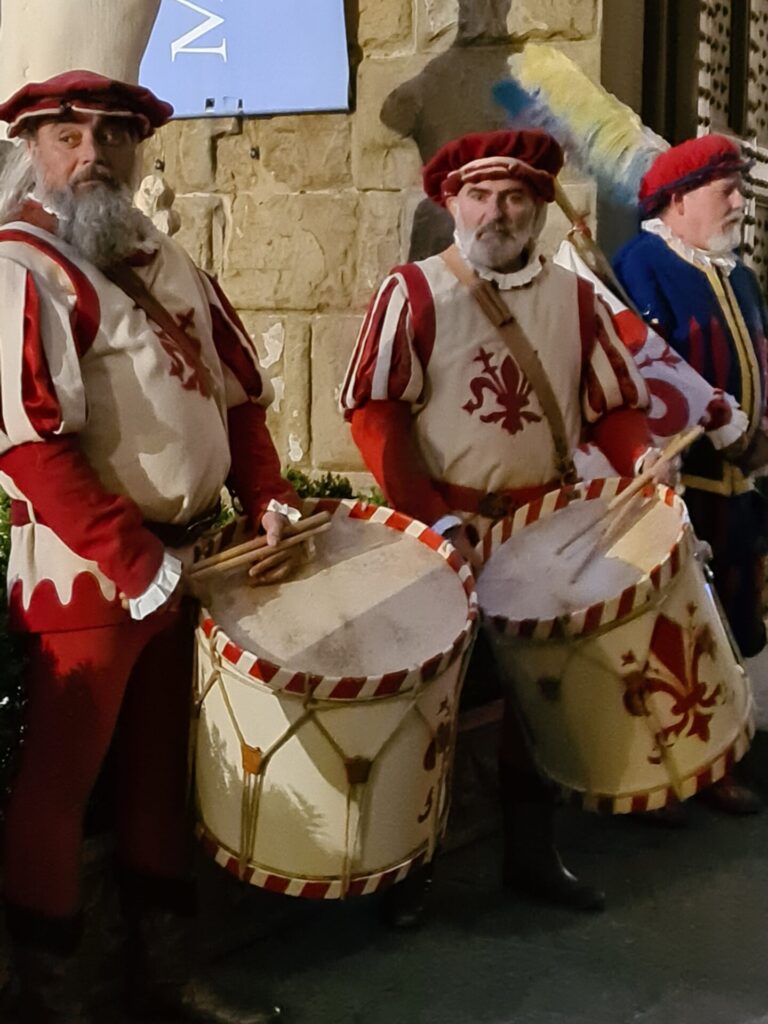
Walking through Florence, you can read its social history in stone. Family coats of arms—Medici balls, Rucellai sails, Pazzi dolphins—decorate façades and courtyards. Palaces double as modern museums, while chapels preserve private devotion made public. Each corner of the city reveals how power, faith, and art once intertwined.
- Palazzo Medici Riccardi: near San Lorenzo, the heart of Medici Florence.
- Palazzo Strozzi: Renaissance symmetry and cultural renewal.
- Santa Croce: home to the Pazzi Chapel and Salviati tombs.