Small Museums in Florence Worth Discovering
Florence is famous for its great museums. The Uffizi Gallery and the Accademia attract millions of visitors each year who come to admire masterpieces of the Renaissance. These collections are extraordinary, yet they are often crowded.
Fortunately, Florence also offers a different museum experience. Throughout the historic center, smaller museums preserve remarkable works of art in a calm and intimate atmosphere. These places allow visitors to explore the city at a slower pace and appreciate art without the pressure of large crowds.
Exploring small museums in Florence often reveals unexpected treasures. Many occupy historic palaces, former convents, or private residences, where the architecture itself becomes part of the experience.
Museo Horne – A Renaissance Home Preserved in Time
Just a few minutes from Piazza Santa Croce stands the Museo Horne, one of the most elegant small museums in Florence. Herbert Percy Horne, an English art historian and collector, created the museum inside a 15th-century palace.
The building preserves the atmosphere of a Renaissance residence. Rooms display paintings, sculptures, ceramics, and furniture from the 14th and 15th centuries. Instead of long corridors and large galleries, visitors move through intimate spaces that feel like a private home.
Among the highlights are works attributed to Giotto and Filippo Lippi, as well as a remarkable collection of decorative arts. The calm setting makes it easy to focus on details.
Museo Stibbert – A Unique Collection of Arms and Armor
Located slightly outside the historic center, the Stibbert Museum remains one of Florence’s most unusual institutions. Frederick Stibbert, an Anglo-Italian collector, assembled one of the world’s great collections of arms and armor and opened it to the public.
The collection includes more than 50,000 objects, ranging from European to Islamic and Japanese armor. The famous Hall of the Cavalcade presents armored knights on horseback in a striking formation.
At the same time, the surrounding villa and garden create a peaceful environment rarely found in larger museums. Visiting this museum feels more like entering a historic residence than a traditional gallery.
Museo Bardini – An Overlooked Artistic Treasure
The Museo Stefano Bardini, located near the Arno River, offers one of the most atmospheric museum experiences in Florence. Stefano Bardini, an influential art dealer of the late nineteenth century, shaped this remarkable collection.
The interior is famous for its distinctive deep blue walls, which create a striking contrast with sculptures and paintings from the medieval and Renaissance periods. The collection includes works by Donatello, Tino di Camaino, and other important artists.
Despite its quality, the Museo Stefano Bardini remains relatively quiet compared to larger institutions. As a result, visitors often find themselves alone in entire rooms, allowing for a more focused experience.
Casa Buonarroti – Michelangelo’s Family House
Casa Buonarroti offers a unique connection to Michelangelo. Although the artist did not live here, the palace belonged to his family and later became a museum dedicated to his life and legacy.
The collection includes several early works by Michelangelo, including relief sculptures created during his youth. The building also preserves an extensive archive of drawings, documents, and artworks connected to the Buonarroti family.
Because it is less well known than the Accademia, many visitors overlook this museum. However, it offers a more personal and intimate perspective on one of Florence’s greatest artists.
Museo dell’Opificio delle Pietre Dure – The Art of Florentine Stone Inlay
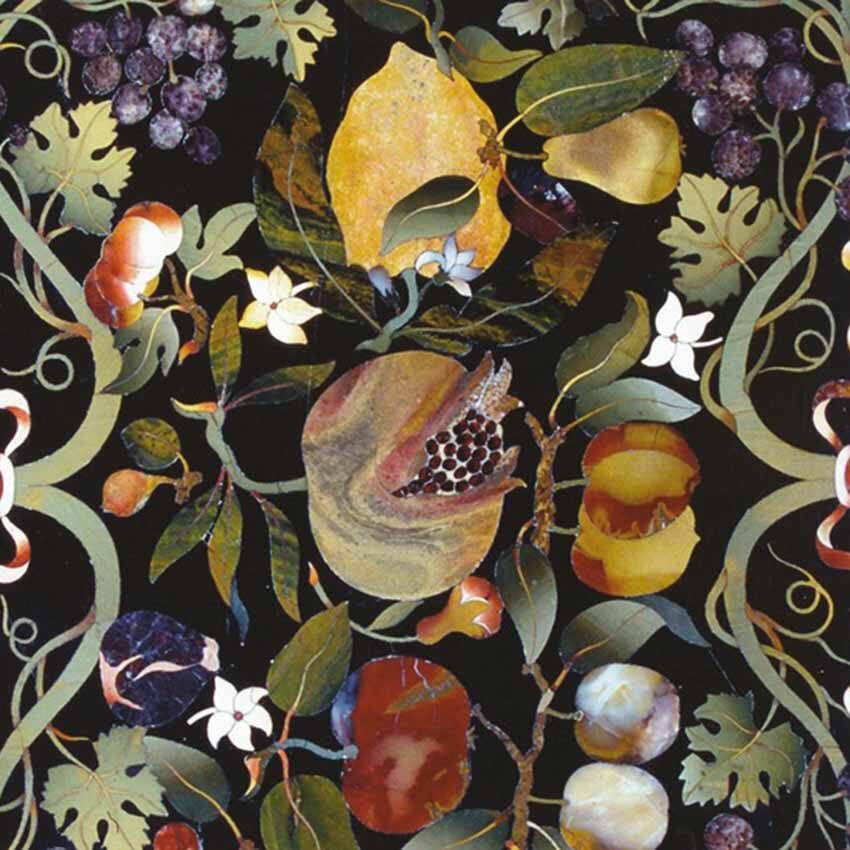
This specialized institution presents one of Florence’s most refined artistic traditions: the art of pietre dure, or hard-stone inlay. The Museo dell’Opificio delle Pietre Dure was founded in the sixteenth century by the Medici, who supported the production of decorative stone works for the Florentine court.
The museum displays extraordinary panels created from semi-precious stones such as lapis lazuli, agate, and jasper. When viewed closely, the surfaces resemble paintings, yet they are entirely composed of carefully cut stones.
In addition, the institution remains one of the world’s leading centers for art restoration. A visit therefore provides insight into both artistic craftsmanship and conservation.
Why Small Museums Reveal a Different Florence
Large museums offer spectacular collections, but smaller institutions provide a more intimate cultural experience. Without crowds, visitors can move slowly through the rooms and observe individual works of art in greater detail.
At the same time, these museums reveal different aspects of Florence’s history. Private collectors, artisan traditions, and family archives contribute to a broader understanding of the city’s cultural heritage.
For travelers interested in art and history, exploring small museums in Florence adds depth to the overall experience.
Conclusion
Florence will always be known for its great masterpieces and famous museums. Yet some of the city’s most rewarding cultural experiences can be found in its smaller collections.
Quiet galleries, historic palaces, and carefully curated collections allow visitors to discover art in a more personal and reflective way. Taking time to explore these small museums reveals a richer and more nuanced portrait of Florence’s artistic legacy.
Many of these smaller museums can be visited early in the morning before the city becomes busy, especially when staying in a quiet apartment near the historic center of Florence.
Literature
- Zucconi, Guido. Florence: An Architectural Guide.
- Brucker, Gene. Florence: The Golden Age 1138–1737.
- Ackroyd, Peter. Florence: The Biography.
- Touring Club Italiano. Guida di Firenze.
- Horne, Herbert Percy. The Binding of Books.