Introduction
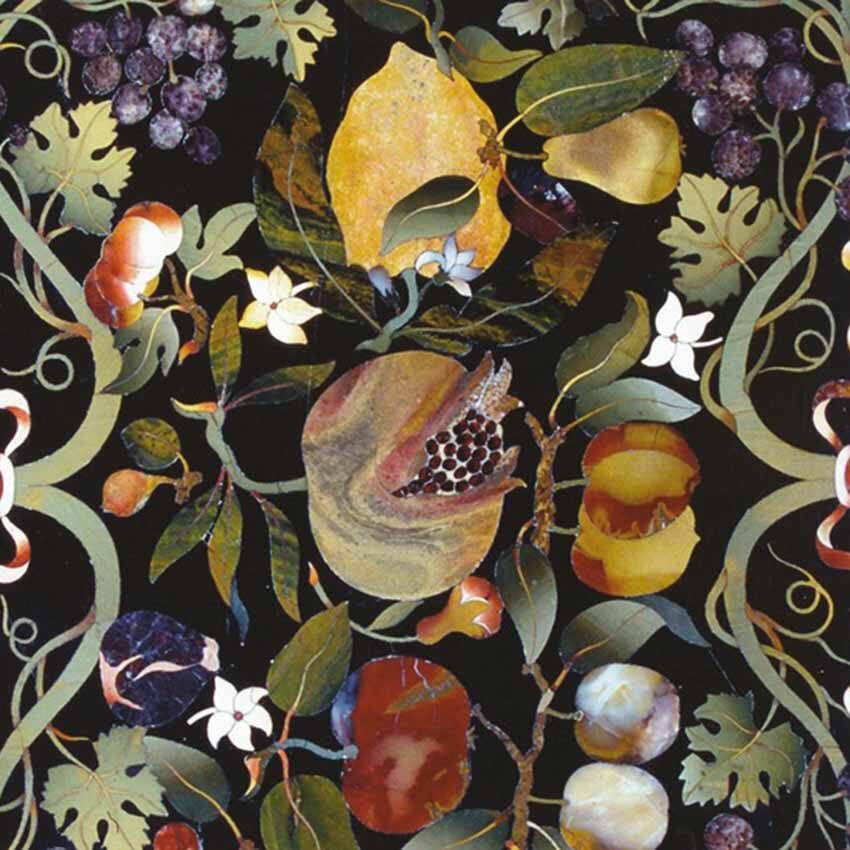
Nestled in the heart of Florence, the Museo dell’Opificio delle Pietre Dure (Museum of the Workshop of Semi-Precious Stones) stands as both a tribute to a unique decorative art form and a living institution of craft, research and restoration. Founded in 1588 as a court workshop by Ferdinando I de’ Medici, it has evolved over the centuries into one of the world’s most specialised centres for working with and conserving semi-precious stones.
This blog post explores the museum’s history, what you’ll see when you visit, and why it matters for art, technique and heritage.
Historical Overview
The story of the museum begins with its parent institution, the Opificio delle Pietre Dure (OPD).
-
In 1588, Grand Duke Ferdinando I de’ Medici established the workshop to produce decorative inlays of hard and semi-precious stones — a technique known as commesso fiorentino. Wikipedia
-
The workshop’s early major commission was the lavish decoration of the Cappella dei Principi (Chapel of the Princes) in the basilica of Basilica di San Lorenzo in Florence. Museums in Florence
-
Over time the institution shifted from pure production of new works to an increasing emphasis on restoration and conservation of art objects — particularly after the catastrophic 1966 flood in Florence, which spurred the modern restoration mission. Wikipedia
-
In 1882 the museum branch was formally opened to present the historic output of the workshop. FirenzeCard
What the Museum Offers
Visiting the museum is a journey through materials, technique and artistry. Highlights include:
-
A chronological exhibition tracing the craft from its origins under the Medici, through the Lorraine period and into the post-unification era. Opificio delle Pietre Dure
-
Spectacular object-works: tables, cabinets, wall plaques, even copies of paintings created entirely in pietre dure. Visit Tuscany+1
-
A hands-on insight into the workshop process: display of tools, benches, stone samples and the sequences of production from raw stone to finished inlay. Museums in Florence
-
Special displays of rare stones (for example the local pietra paesina) whose natural veining evokes landscapes — a poetic dimension of the material. Wikipedia
Why It Matters — Significance & Impact
-
Artistic innovation: The technique of commesso fiorentino takes materials usually reserved for sculpture or architecture and transforms them into pictorial and decorative mosaics of semi-precious stone. Besuchen Sie Florenz
-
Craft heritage: The museum preserves not only finished works but also the artefacts of craftsmanship — important for understanding how techniques evolve, and how materials and tools matter.
-
Restoration leadership: The OPD (and by extension the museum) is internationally renowned in the field of conservation and restoration of cultural heritage. Wikipedia
-
Educational value: For designers, architects, artists or anyone interested in material culture, the museum offers real insight into how one medium (hard stones) can cross boundaries between fine art, decorative art and craft.
Practical Visit Tips
-
The museum is relatively compact; a focused visit of about an hour is sufficient to appreciate its collections
-
Visiting hours may be restricted (e.g., morning only) so check the official website for current opening times and any required bookings.
-
If you have a specific interest in materials (stones, tools) ask about guided or specialised tours — the technical side is particularly rewarding.
-
While in Florence, consider pairing the visit with the nearby Medici chapels (Cappella dei Principi) to connect the origins of the inlay work with the actual site for which it was commissioned.
Conclusion
The Museo dell’Opificio delle Pietre Dure is more than a museum; it’s a portal into the world of semi-precious stone inlay, a living tradition rooted in Renaissance craftsmanship, yet evolving in restoration and contemporary relevance. Whether you are passionate about art history, materials science or handmade luxury, this institution offers a unique perspective.
Literature & References
- Opificio delle Pietre Dure – Museo (official site).
https://opificiodellepietredure.cultura.gov.it/museo/ - Opificio delle Pietre Dure (institution overview).
https://opificiodellepietredure.cultura.gov.it/ - Giusti, Anna Maria. Pietre Dure: Hardstone in Furniture and Decorations. London: Thames & Hudson, 2006.
- Giusti, Anna Maria; Pampaloni Martelli, Anna P. Il Museo dell’Opificio delle Pietre Dure a Firenze. Florence: Edizioni Polistampa, 2007.
- “Opificio delle pietre dure.” Wikipedia (general overview and bibliography).
https://en.wikipedia.org/wiki/Opificio_delle_pietre_dure - FirenzeCard – Museo dell’Opificio delle Pietre Dure (visitor info).
https://www.firenzecard.it/en/museum/museo-dellopificio-delle-pietre-dure - Visit Tuscany – Opificio delle Pietre Dure Museum (highlights & context).
https://www.visittuscany.com/en/attractions/opificio-delle-pietre-dure-museum-in-florence/